What Are the Consequences of a Failed Breathalyzer Test?
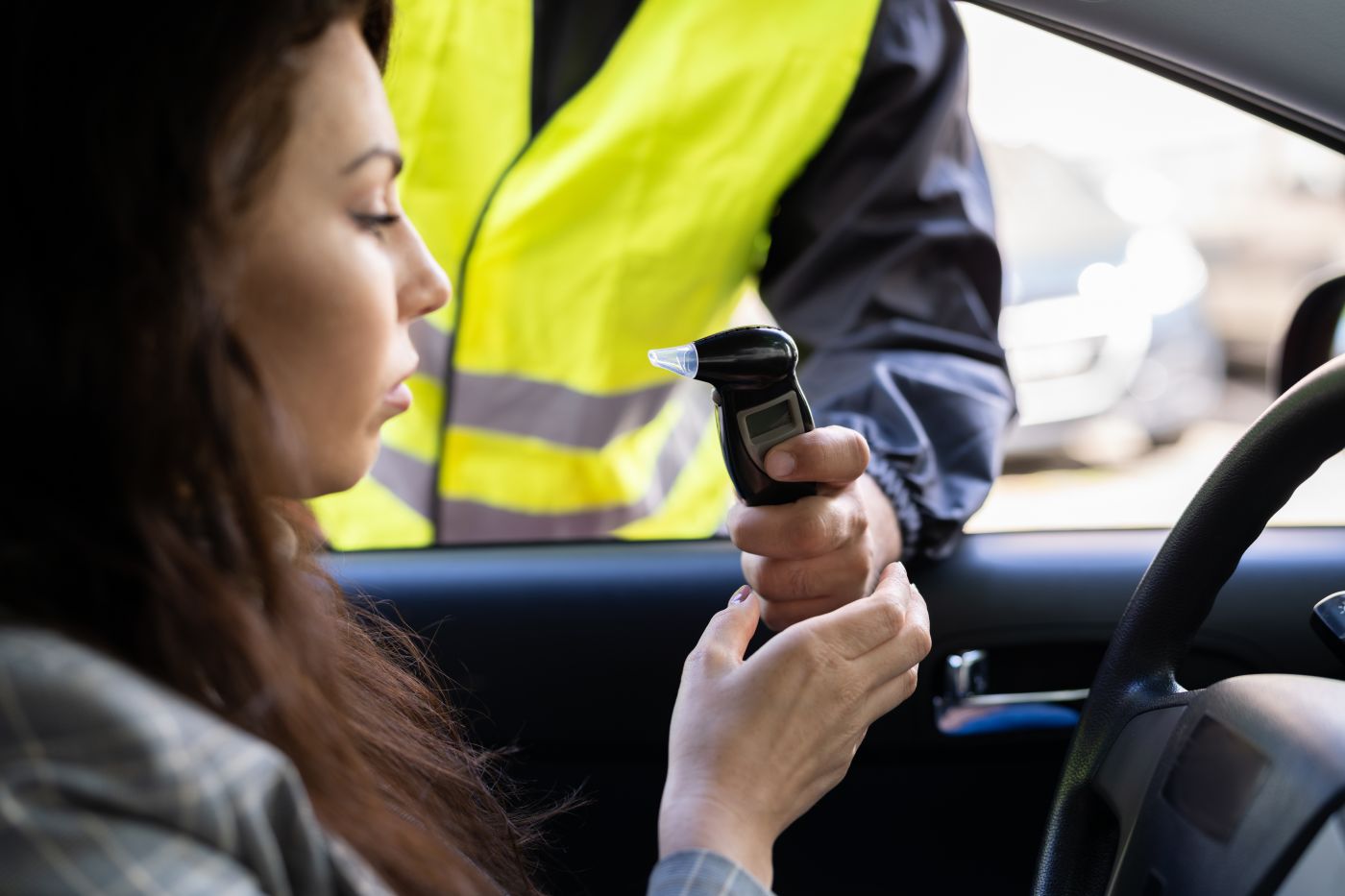
Failing a breathalyzer test in Texas can have serious legal, personal, and financial consequences. A failed test is often used as evidence of driving under the influence (DUI) in both administrative and criminal proceedings. Understanding the impact of a failed test and the subsequent processes can help you protect your rights.
At McDougal Law Firm, we represent clients throughout Fort Bend County, Wharton County, Colorado County, and other areas west of Houston. Our skilled attorneys handle the legal challenges of a failed breathalyzer test, evaluate your options, and craft the best strategy for your situation.
A failed breathalyzer test triggers immediate administrative actions under Texas law. Law enforcement may confiscate your driver’s license, issue a temporary permit, or impose an automatic suspension. These measures are separate from criminal charges, so the administrative process proceeds regardless of subsequent court proceedings.
Understanding these consequences early allows you to take informed steps to protect your mobility and mitigate long-term impacts. Promptly engaging an attorney helps make sure that critical deadlines are met, evidence is reviewed, and all available legal remedies are considered.
After a failed breathalyzer, gathering comprehensive evidence is essential to challenge the results or minimize penalties. Careful collection and organization of evidence allows your DUI attorney to identify procedural errors or inconsistencies that may reduce the severity of the penalties. Important types of evidence include:
Chemical test records: Review the breathalyzer calibration, maintenance, and testing procedures to confirm accuracy. Errors in device operation can affect test validity.
Officer reports and notes: Review the documentation for the traffic stop and arrest, and any observations recorded by law enforcement. Discrepancies or omissions may impact the strength of the prosecution’s case.
Field sobriety test results: Analyze whether standardized procedures were followed and whether interpretations of the tests were reasonable.
Witness statements: Collect firsthand accounts from passengers, bystanders, or other drivers. Independent testimony can support your version of events or highlight inconsistencies.
Video or dashcam evidence: If available, recordings from law enforcement vehicles or nearby surveillance cameras may provide context for the stop and subsequent testing.
Careful documentation allows your attorney to reconstruct the events accurately and provides a clearer basis for challenging the failed test. This organization also supports both administrative and criminal proceedings, giving you a strategic advantage.
A failed breathalyzer does not automatically guarantee a conviction. Procedural mistakes and technical errors can create opportunities for defense. Some areas to examine include:
Improper administration of the breathalyzer test, including failure to follow manufacturer instructions.
Calibration or maintenance errors in testing equipment may affect accuracy.
Mistakes in the timing of tests relative to the consumption of food, beverages, or medications.
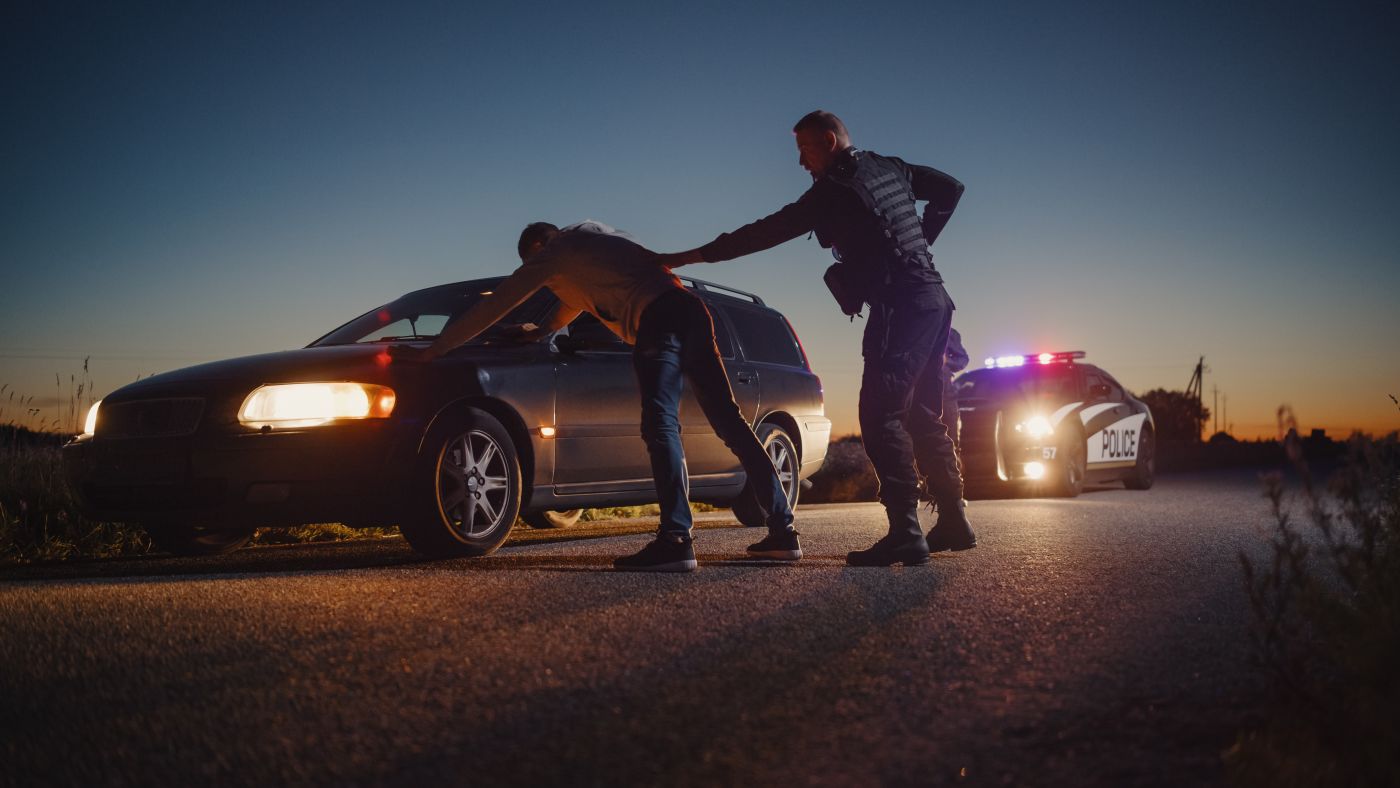
Officer conduct during the traffic stop, including possible violations of constitutional rights.
By examining these factors, an attorney can identify whether the breathalyzer results are reliable and legally admissible. Expert analysis of testing methods and officer procedures often uncovers critical weaknesses that may not be apparent to those unfamiliar with the technical and legal requirements of DUI enforcement.
Successfully defending against a failed breathalyzer test requires understanding the common challenges that arise in these cases. A few of the most frequent issues include:
Blood alcohol concentration (BAC) fluctuations: BAC can vary based on metabolism, recent food or drink intake, and the time since driving and testing. An attorney can evaluate whether these factors may affect the accuracy of results.
Interfering substances: Certain medications, mouthwashes, or medical conditions can cause false positives. Identifying these elements can help challenge the reliability of the test.
Environmental and procedural conditions: Temperature, device calibration, or improper handling during sample collection can introduce errors. A detailed review of these factors is often necessary to support a defense.
Recordkeeping issues: Missing logs, incomplete calibration records, or inconsistent officer documentation can undermine the prosecution’s case. Meeting all administrative requirements is a critical part of preparation.
Examining these challenges allows your attorney to assess potential defenses and tailor the strategy to the specific circumstances of the case. Recognizing weaknesses in the testing process often provides leverage in administrative hearings or criminal court negotiations, improving outcomes for the client.
Following a failed test, several legal strategies may be available, depending on the circumstances. These may include:
Requesting an administrative hearing to contest the license suspension.
Questioning the reliability of the chemical test or procedures followed.
Negotiating alternative penalties or restricted driving privileges with the authorities.
Coordinating defenses with ongoing criminal DUI proceedings to minimize overall consequences.
Evaluating the most effective combination of strategies requires experience and knowledge of Texas law. Our attorneys can help you process these options and make informed decisions that protect your driving privileges and legal rights.
A failed breathalyzer test can influence insurance rates, employment opportunities, and future legal matters. Early and strategic action is key to reducing the long-term impact. Working with an attorney allows you to:
Understand how administrative and criminal outcomes interact.
Identify ways to maintain mobility through occupational or restricted licenses.
Align evidence collection and defense strategy for the best possible result.
Address potential collateral consequences proactively.
A deliberate approach allows you to manage both immediate and extended consequences, helping reduce disruptions to your daily life. At McDougal Law Firm, we can help you develop a plan that considers these implications.
If you have recently failed a breathalyzer test, our firm can help you evaluate evidence, assess liability, and handle both administrative and criminal proceedings. Acting promptly protects your rights and positions you for the strongest possible outcome.
At the McDougal Law Firm, we serve clients throughout Fort Bend County, Wharton County, Colorado County, and other areas west of Houston. Contact us for strategic guidance, a detailed case evaluation, and experienced advocacy to address the consequences of a failed breathalyzer test.