Blood Testing in DWI Cases: Accuracy, Admissibility, and Defenses
Facing a DWI case can be overwhelming and frightening. Many people feel judged before they’ve had a chance to explain what happened. When blood testing becomes part of the prosecution’s evidence, the situation often feels even more intimidating. Support is available to you every step of the way throughout the process.
At McDougal Law Firm in Richmond, Texas, we help individuals protect their legal rights and fight for a positive possible outcome. Here, we’ll discuss what’s at stake in a DWI case that involves blood testing and what defenses may be available. Located in Richmond, Texas, our attorneys serve communities throughout Fort Bend County, Wharton County, Colorado County, and other areas west of Houston.
Reach out to us today to discuss your case and get reliable legal guidance on the next steps to take.
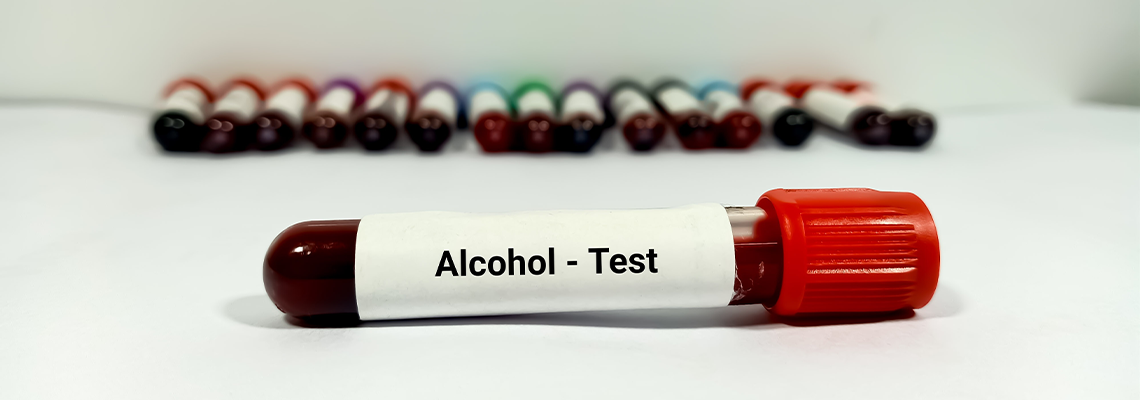
Blood testing is often used in a DWI case when law enforcement wants what they believe to be a precise measurement of alcohol or drug levels in someone’s body. Unlike breath tests, blood tests are conducted in a medical or controlled environment and are often perceived by prosecutors as more reliable. Police may request a blood test if:
A driver refuses a breath test
The suspected impairment involves drugs instead of alcohol
There was an accident involving injuries or serious damage
The breath testing equipment isn’t available
Although blood testing can be scientifically rigorous, that doesn’t guarantee accuracy. Mistakes can occur at multiple stages, providing opportunities to challenge the results. Even minor errors in handling or analysis can lead to significant differences in reported BAC levels. Challenging these mistakes can be a critical part of defending a DWI case.
Blood alcohol content indicates how much alcohol is in a person’s bloodstream. In Texas, a BAC of 0.08% or higher typically leads to a DWI case. Blood samples are analyzed using methods such as gas chromatography, which separates alcohol from other biological materials. Even minor inaccuracies in measurement can have an impact on how the evidence is interpreted.
Alcohol levels change over time. Someone’s BAC during the test might not reflect their BAC while driving, especially if hours pass before the blood draw. That timing gap creates possible legal defense strategies. This means a blood test result might not fully represent the level of impairment at the time of driving.
Not every blood test leads to dependable results. Errors can happen before, during, or after the sample collection. The chain of custody, sample storage, and laboratory procedures all matter. When any step is flawed, the reliability of the test can come into question. Blood test inaccuracies may arise from:
Human error
Contamination
Equipment malfunction
Fermentation in the vial
Delays in testing
Improper preservatives
Because a DWI case can have serious consequences, it’s important to review every detail of the blood test process. Working with an experienced DWI attorney is essential in these situations. If you’re facing a DWI case, especially one involving blood testing, contact us today to discuss how you should proceed.
How the blood draw is performed can influence the trustworthiness of the results. Medical staff must follow strict procedures to protect the sample’s integrity. Even small deviations from proper technique can compromise the validity of the results. Identifying potential errors early is critical for building a strong defense. Some frequent issues include the follominorwing:
Using alcohol-based skin swabs that introduce external alcohol into the sample
Drawing blood into expired or improperly treated vials
Taking an insufficient sample volume
Mishandling during transport
Any of these problems can lead to inflated BAC levels or contaminated specimens, thereby calling into question the accuracy of the blood test. When our experienced attorneys examine a DWI case, reviewing collection methods is a key priority. Carefully examining these steps can help to challenge unreliable evidence in a DWI case.
Even when the blood draw is flawless, mistakes in the laboratory can invalidate results. Labs handle a high volume of testing, and procedures aren’t always followed perfectly. Errors in analysis can drastically alter BAC readings, affecting the outcome of a DWI case. Lab errors may include the following situations:
Improper calibration of testing machinery
Failure to maintain temperature control
Mixing up samples from different individuals
Analyst incompetence or oversight
One misstep in the process can create serious doubt. That doubt can help reduce charges, exclude evidence, or even lead to a dismissal. Highlighting these errors is often key to challenging evidence or negotiating a better outcome in a DWI case. This is why a thorough review of every step, from collection to analysis, is so important for a strong defense.
Chain of custody documentation tracks the sample's movement, identifies who handled it, and records its storage conditions. If there’s a gap or inconsistency, there’s no guarantee that the blood tested actually belonged to the defendant or that it wasn’t tampered with. Missing signatures, incorrect labeling, and lost records can all make blood evidence unreliable in court.
Alcohol doesn’t enter the bloodstream instantly. If the test occurs long after the driver was behind the wheel, their BAC might have risen due to ongoing absorption. It’s possible, and common, for someone to be under the limit while driving but above the limit when tested later. This scenario, known as rising blood alcohol, can serve as a robust defense.
Blood tests aren’t just for alcohol. Prescription drugs, recreational substances, and even over-the-counter medications may appear in someone’s bloodwork. But detecting a substance isn’t the same as proving impairment. This distinction is critical when building a defense in a DWI case involving drugs.
Concentration levels don’t always indicate how the substance affected a person. Some drugs remain in the bloodstream long after the impairing effects have faded. Careful analysis of timing, dosage, and individual tolerance can provide strong support for challenging the prosecution’s evidence in your case.
Blood draws involve bodily intrusion, meaning constitutional protections apply. Officers must adhere to strict guidelines regarding consent, warrants, and medical necessity. Without a valid legal basis, the results of a blood test can sometimes be suppressed, meaning the prosecution may not be able to use the evidence at all. Violations can include:
Lack of a warrant without proper exceptions
Coerced consent
Incorrect advisement of refusal consequences
Forced blood draws in non-qualifying situations
When law enforcement disregards constitutional rights, the defense gains substantial leverage in a DWI case. Any evidence obtained in violation of the Fourth Amendment may be suppressed, weakening the prosecution’s case. Challenging these violations can also highlight broader issues with how the investigation was conducted.
If you’re facing a DWI case involving blood testing, you don’t have to go through it alone. Blood evidence may seem convincing to prosecutors, but there are many ways to challenge how that evidence was collected, analyzed, and presented. Protecting your record and your future starts with knowledgeable legal support.
At McDougal Law Firm, we work diligently to provide individuals in Richmond, Texas, and the surrounding areas with strong defense strategies and clear guidance. Our attorneys are here to stand with you, explain your options in plain language, and fight aggressively on your behalf. Contact us today to take the first step toward protecting your rights and future.