Who Can Be Held Liable in a Fatal Motorcycle Accident?
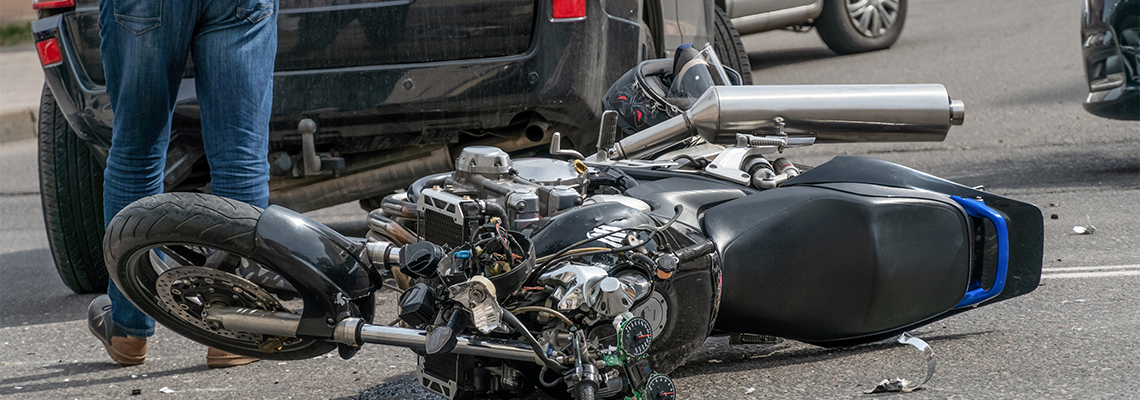
Fatal motorcycle accidents leave families facing sudden loss, financial uncertainty, and unanswered questions about what happened. These crashes often happen in a split second, and understanding who may be responsible is essential for families seeking clarity and closure.
When multiple factors come into play, determining liability can involve several parties, each of whom may share responsibility for the tragedy. Before diving deeper into the potential parties involved, it's important to know that McDougal Law Firm, serving Richmond, Texas, and the surrounding areas, helps families work through these cases with care.
Fatal motorcycle accidents can change lives in an instant. We focus on uncovering what went wrong and who may have contributed to these crashes, guiding clients through the steps needed to protect their rights.
Drivers often play a central role in fatal motorcycle accidents. Because motorcycles provide less protection than other vehicles, even small errors by a driver can have severe consequences. Families need to understand the behaviors that increase the risk of these tragic collisions to see where liability may lie.
Distracted driving: Drivers who text, eat, or adjust their navigation systems may fail to notice motorcyclists in time to avoid a crash. Even a momentary distraction can lead to a severe collision.
Speeding: Driving above the speed limit reduces reaction time and increases the force of impact. Higher speeds make it difficult to avoid a motorcycle in traffic, often turning a survivable crash into a fatal one.
Impaired driving: Alcohol or drug impairment slows reflexes and reduces judgment. Drivers who are impaired often fail to recognize motorcycles or react appropriately, which can result in devastating outcomes.
Failure to yield: Many fatal motorcycle accidents occur when a driver turns left across a motorcyclist’s path. Misjudging speed or ignoring blind spots can lead to collisions with catastrophic consequences. Investigating these scenarios is key to identifying responsible parties.
When a driver’s actions contribute to a fatal motorcycle accident, they are often the primary party responsible. However, liability can extend to others, especially when employment or vehicle conditions are factors. Families need to consider all parties who may share responsibility.
Road conditions can significantly contribute to fatal motorcycle accidents. Because motorcycles are more sensitive to potholes, uneven surfaces, and poor visibility, government agencies responsible for road maintenance may bear some responsibility if unsafe conditions exist. Families often need to document these hazards to hold the proper entity accountable.
Unmarked construction zones: Construction areas without clear signs or warnings can leave riders with little time to react. Sudden lane shifts or drop-offs often lead to severe accidents. Proper documentation is crucial in cases involving construction zones.
Damaged or uneven pavement: Potholes, cracks, and shoulders in poor condition can cause a motorcyclist to lose control. Road deterioration is often a factor in collisions with catastrophic outcomes. Families need evidence showing that the condition of the road contributed to the crash.
Poor lighting or missing signage: Malfunctioning traffic lights, missing stop signs, or inadequate streetlights can make it difficult for drivers and motorcyclists to see each other. Reduced visibility significantly increases accident risk. Proper visibility measures are a standard expectation, and failure may indicate liability.
Inadequate drainage: Standing water or flooding can cause motorcycles to skid, especially during heavy rainfall. Water accumulation may worsen the severity of a collision. Documenting drainage issues can be an important part of establishing responsibility.
In cases involving hazardous road conditions, liability may be shared among drivers, manufacturers, or employers. Families often benefit from a thorough investigation to determine how each factor contributed to a fatal motorcycle accident. Gathering evidence from multiple sources strengthens claims and helps establish accountability.
Fatal motorcycle accidents often involve more than one factor. A driver’s careless action, a defective vehicle part, and hazardous road conditions may combine to create a crash that no single party could prevent alone. Families need to understand that liability can be shared among several parties, which may affect claims and legal strategy.
Driver and employer responsibility combined: A delivery driver under pressure to meet deadlines may act recklessly, while the employer’s scheduling demands contribute to the crash. Both the individual and the company may hold liability.
Driver negligence amplified by defects: A motorcyclist might not avoid a crash caused by a defective brake system, even if the other driver was at fault. Manufacturers or service providers may be partially responsible.
Road hazards increase accident severity: A reckless driver may drift into a motorcyclist’s lane, but a pothole or uneven pavement can make the collision unavoidable. Government entities may share liability along with the driver.
Shared liability requires careful evaluation of all parties and contributing factors. Families benefit from guidance to understand how responsibility is allocated. Each scenario is unique, which is why thorough documentation and professional support are crucial.
Evidence is crucial in determining liability for fatal motorcycle accidents. Since the motorcyclist cannot provide an account of the crash, thorough documentation is essential to establish responsibility. Gathering and analyzing evidence gives families a clear understanding of the incident.
Police reports: Police reports capture initial findings, identify witnesses, and document conditions at the scene, often serving as a cornerstone of evidence in legal proceedings.
Crash reconstruction: Skid marks, impact angles, and vehicle damage can help explain how the accident happened, while reconstruction experts offer detailed analyses to establish responsibility.
Surveillance and dashcam footage: Video evidence can show whether a driver failed to yield, drifted into a lane, or violated traffic laws. Footage may be critical in proving fault.
Phone records: Data can indicate whether a driver was distracted by texting, calling, or app use at the time of the crash. This can strengthen claims of negligence.
Maintenance and manufacturing records: These documents help identify defective or poorly maintained vehicles and parts. Evidence of faulty equipment is important for assigning responsibility.
Medical and autopsy reports: These reports show the extent of injuries and how they align with crash circumstances. Medical evidence can confirm the link between the collision and the fatality.
Collecting and analyzing evidence often requires professional expertise. Families benefit from guidance to make sure no critical detail is overlooked. The more thorough the evidence, the clearer the chain of responsibility becomes.
If you’ve lost a loved one in a motorcycle crash, our attorneys are here to help guide you through your options and provide steady support. We handle fatal motorcycle accidents with care and attention to detail, helping families in Richmond, Texas, and the surrounding areas during this difficult time. Call McDougal Law Firm today.